Access control of the future will be as essential as your smartphone access control of the future
By Hommax SmartSD
The demand for contactless access control systems is growing steadily, mainly due to the pandemic.
Access control systems are increasingly in demand as a key security system in any company or organisation. This is even more so in the current situation, where it is necessary to keep track of people entering and leaving organisations.
Ideally, these systems should be integrated naturally and conveniently with access to organisations, projecting an image of security and efficiency, as well as being integrated with other security solutions such as video surveillance, intercom or intrusion systems.
In this regard, it is important to have a thorough understanding of the organisation's specific circumstances (type of traffic, number of people who can access the premises, frequency of access, peak times, number of access points to the facility, required level of security, available budget and the equipment available on the market) to ensure that everything is tailored to the organisation's needs or requirements. For all these reasons, it is essential to seek the help of an expert, such as Hommax.
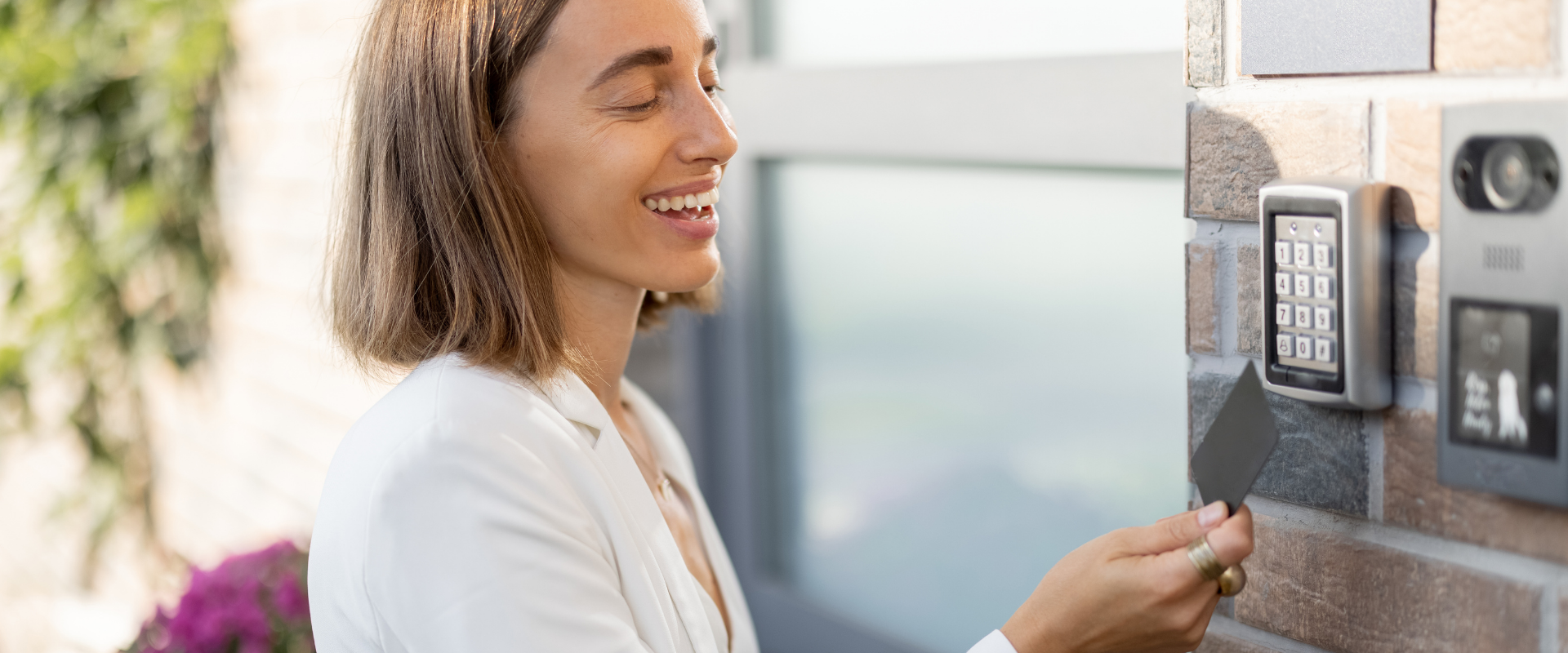
Integrated Access Control
This should be the main requirement when choosing a modern access control system: its ability to integrate.
The future of security lies in integrated solutions that allow communication between each other and the execution of events or actions.
An example of this? An access control system can allow or deny entry to an organisation by a stranger, for example, during non-permitted hours and, in this case, activate an alarm to deter the intruder or activate any other security system that may be necessary; it could even be configured to send a notification to the user's phone to warn them of a possible intrusion. All this is possible thanks to the installation of intelligent security systems that minimise false alarms and significantly increase the efficiency of each project.
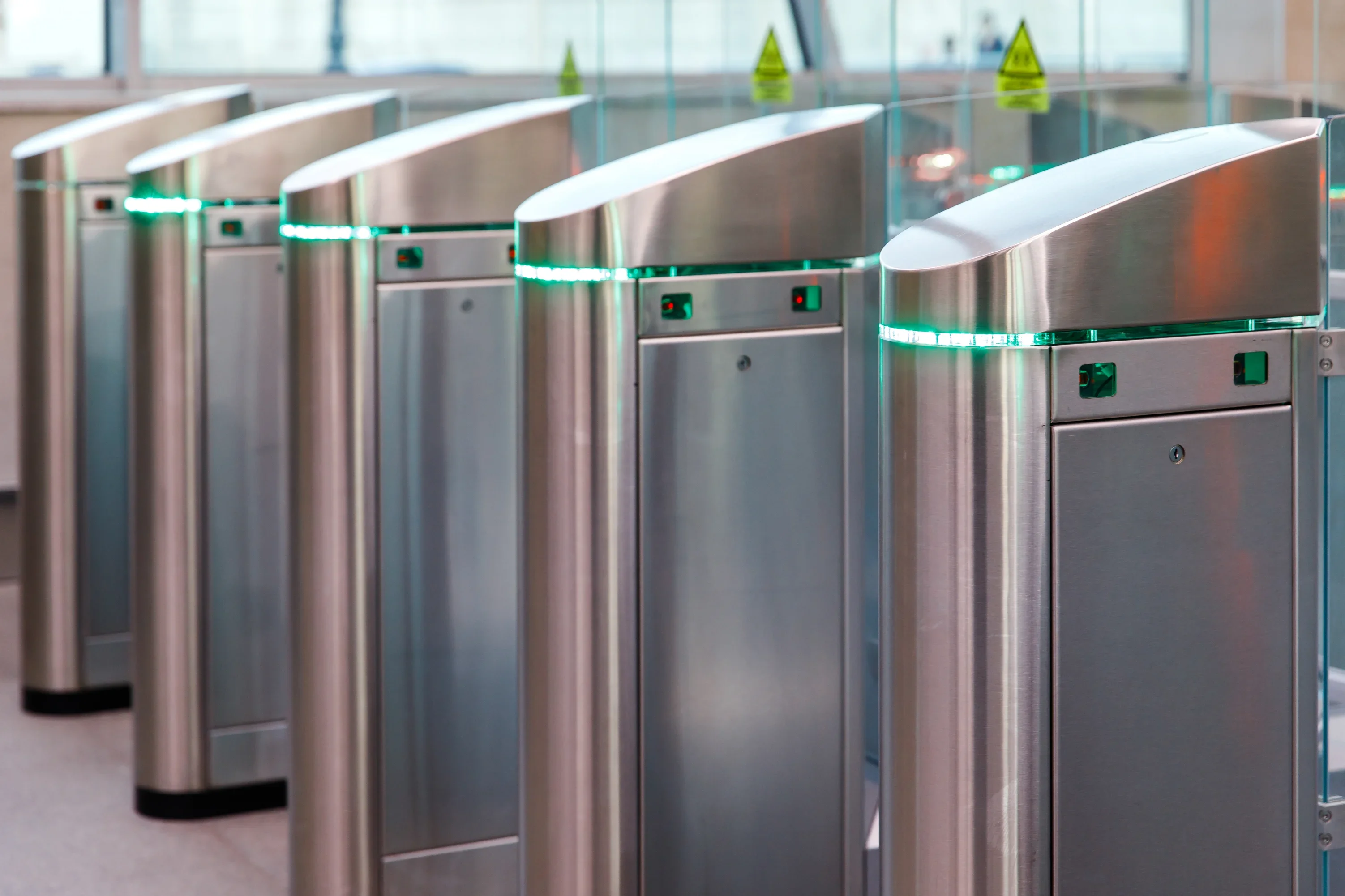
Similarly, it is advisable to choose systems that are convenient for the people who will use them and that adapt to the specific circumstances of each organisation. For example, the use of access turnstiles makes sense in buildings accessed by a large number of people.
In public institutions with different entrances, the use of access control with temperature measurement is advisable due to the volume of people.
Access Control and Attendance Control
In addition to access control, it is also advisable to include attendance control, which not only serves to maintain security in organisations, but also allows companies to promote flexible working hours that guarantee employee productivity at the most convenient times.
Attendance control manages user records and can generate different reports with arrival and departure times, incidents, delays, along with other details that can contribute to the implementation of flexible working hours, different shifts, adding holidays, etc.
Need help from an expert?
Contact our product experts so they can assess your project and help you choose the equipment you need.
What should a good access control system do?
· Encryption and security to combat cyber threats and unauthorised access.
· Authentication that allows the identification of people or vehicles requesting access to a company or a specific area.
· Rapid traceability that facilitates the retrieval of lists of people present in an area or premises or in previously loaded databases.
· Use of biometric systems: these are based on the recognition of a physical characteristic of the person requesting access so that it can be verified automatically and instantly.
· Remote management and supervision, as well as integration with other security systems such as video surveillance, intrusion detection, intercom, etc.
· Integration with other security systems to unify solutions in a single user interface that provides much simpler and more effective supervision and management of facilities.
The future of access control lies in mobile phones
Due to COVID-19, there has been a boom in biometric access control solutions, as they avoid contact with a surface that would otherwise be handled by many different people throughout the day. In addition, there are others such as the use of long-range readers that take advantage of Bluetooth Low Energy connections to avoid contact and open everything from doors to lockers. The only drawback to these systems is that people must have a mobile phone to access them, although this option is undoubtedly the future.
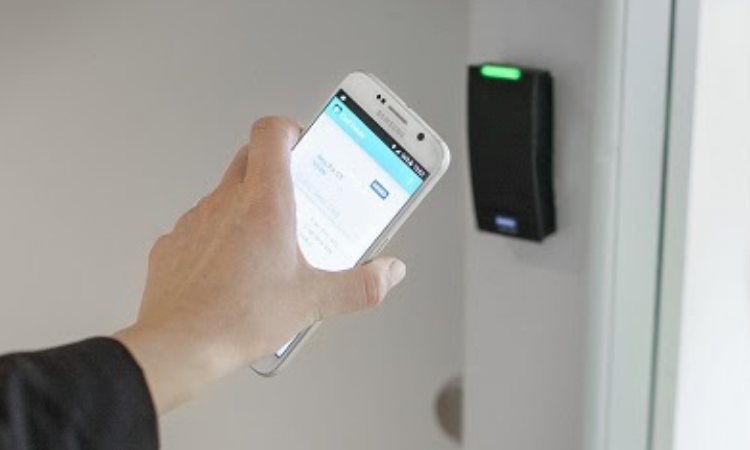
Experts in telecommunications, electronic security, and business development agree that smartphone credentials will gradually replace current identification systems. It is estimated that they will increase almost tenfold by 2024, as a single mobile device can access an almost unlimited number of credentials.
In addition to the convenience attributed to this solution, there is also the security factor due to the strong encryption of smartphones, for example, compared to access cards that are easily transferable and constantly lost.
These types of access control systems are gaining ground over biometric systems, as they do not require the transfer of personal data (images, fingerprints, etc.) and do not conflict with regulations such as the GDPR, which raises so many questions. Not to mention the boom these systems are also experiencing for private use, such as access to homes or residences with mobile phone credentials.